“Unleash Your T-Shirt Empire:

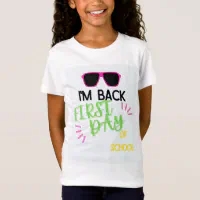
FREE TO CREATE A ZAZZLE E COMMERCE BUSINESS
The Ultimate Guide to Viral E-Commerce Success
In the dynamic world of e-commerce, where competition is fierce and trends evolve rapidly, achieving viral success is the ultimate dream for online entrepreneurs. Going viral can propel your e-commerce business to new heights, bringing in floods of traffic, boosting brand awareness, and skyrocketing your sales. But how do you make it happen? In this comprehensive guide, we’ll break down the essential strategies and steps to attain viral e-commerce success.
1. Start with a Unique Product
The foundation of viral e-commerce success is a unique and standout product. Your product should solve a problem, trigger emotions, or offer something genuinely innovative. Take the time to research your niche and identify gaps in the market. Once you have your unique product, build your entire strategy around it.
2. Craft Exceptional Product Descriptions
Your product descriptions are your virtual salespeople. Invest in crafting compelling and persuasive descriptions that highlight the benefits and unique features of your product. Use high-quality images and consider incorporating videos to showcase your product in action.
3. Create a User-Friendly Website
Your website is your digital storefront. Ensure it’s user-friendly, responsive, and visually appealing. Optimize loading times, streamline navigation, and make the checkout process seamless. Mobile optimization is critical, as many users shop from their smartphones.
4. Harness the Power of Social Media
Social media is a goldmine for viral marketing. Build a strong presence on platforms like Facebook, Instagram, Twitter, and TikTok. Share engaging content, run contests, and collaborate with influencers in your niche to reach a wider audience.
5. Leverage User-Generated Content
Encourage your customers to share their experiences with your product through reviews, photos, and videos. User-generated content adds authenticity and trust to your brand and can go viral when shared on social media.
6. Implement Referral Programs
Word-of-mouth is a potent viral marketing tool. Create referral programs that incentivize your customers to refer friends and family. Offering discounts or rewards can motivate them to spread the word.
7. Engage in Content Marketing
Content is king in the online world. Create blog posts, infographics, and videos that educate, entertain, or inspire your audience. Share valuable insights related to your product or industry, positioning yourself as an authority.
8. Master SEO
Search engine optimization (SEO) is essential for organic traffic. Optimize your website for relevant keywords, create high-quality backlinks, and regularly update your content to improve your search engine rankings.
9. Embrace Email Marketing
Email marketing remains a powerful tool for building relationships with your customers. Send personalized, engaging emails that provide value, promote new products, and encourage repeat purchases.
10. Monitor and Adapt
Finally, closely monitor the performance of your strategies. Use analytics tools to track website traffic, conversion rates, and customer behavior. Adapt your approach based on the data you gather to continually improve your chances of going viral.
ZAZZLE E COMMERCE BUSINESS
Viral e-commerce success is a combination of innovative products, effective marketing strategies, and a relentless commitment to customer satisfaction. By implementing these strategies and continually refining your approach, you can increase your chances of achieving viral success and growing your e-commerce business beyond your wildest dreams. Remember, viral success often comes as a result of persistence, creativity, and a deep understanding of your target audience. Good luck on your journey to e-commerce stardom!
IDEAS FOR A T SHIRT E COMMERCE BUSINESS

Creating t-shirts that trigger emotions and stand out requires a combination of thoughtful design and messaging. Here are some types of t-shirts that can achieve this:
- Custom Artwork and Illustrations: Collaborate with artists to create unique, emotionally evocative artwork that tells a story or conveys a message. For example, an intricate illustration of endangered wildlife can evoke emotions related to conservation.
- Typography and Quotes: Use powerful, thought-provoking quotes or phrases that resonate with your target audience. Inspirational or motivational quotes, humor, or socially conscious messages can trigger emotional responses.
- Nostalgia and Pop Culture: Tap into nostalgia by designing t-shirts that reference retro video games, movies, or TV shows. People often feel strong emotional connections to their favorite pop culture references.
- Personalized and Customized: Allow customers to personalize t-shirts with their names, birthdays, or other significant dates. Personalized items can evoke a strong emotional connection, especially when given as gifts.
- Charity and Cause-Related: Design t-shirts that support a charitable cause. When customers know that their purchase contributes to a good cause, it can create a sense of empathy and fulfillment.
- Family and Relationships: Create t-shirts that celebrate family bonds, relationships, or life milestones. Designs featuring family trees, wedding dates, or birth announcements can trigger emotional connections.
- Limited Edition and Exclusive: Release limited-edition t-shirts with unique designs or special materials. The exclusivity factor can make customers feel special and emotionally connected to the product.
- Artistic Techniques: Experiment with unique printing techniques, such as embroidery, metallic foiling, or 3D printing. These techniques can create visually striking and emotionally engaging designs.
- Photographic Prints: Use high-quality photographs or digital art prints that capture emotional moments or breathtaking landscapes. Photographic t-shirts can evoke strong emotions related to memories and experiences.
- Interactive or Augmented Reality: Incorporate augmented reality (AR) elements into your t-shirts. Customers can use a mobile app to bring the design to life, creating an interactive and emotional connection.
Remember that the key to creating emotionally triggering and standout t-shirts is to understand your target audience’s preferences, values, and emotions. Conduct market research to identify what resonates with your audience, and then design t-shirts that align with those insights.
HOW TO GUIDE

Running an e-commerce business with Zazzle, a print-on-demand and custom products platform, involves several steps. Here’s a setup guide to help you get started:
Step 1: Market Research and Niche Selection
- Identify Your Niche: Choose a niche or specific market segment for your products. Consider your interests, trends, and target audience preferences.
- Competitor Analysis: Research other Zazzle stores and competitors in your chosen niche. Analyze their products, pricing, and customer reviews to identify gaps and opportunities.
Step 2: Create a Zazzle Account
- Visit Zazzle: Go to the Zazzle website (www.zazzle.com) and sign up for a seller account. You’ll need to provide your personal and payment information.
- Choose a Store Name: Create a unique store name that represents your brand and niche. Ensure it’s easy to remember and reflects your products.
Step 3: Design and Upload Products
- Product Design: Create or upload designs for your products using Zazzle’s design tools or external software like Adobe Photoshop. Ensure your designs meet Zazzle’s image guidelines.
- Product Selection: Choose from Zazzle’s range of products, including apparel, accessories, home decor, and more. Customize each product with your designs.
- Product Listings: Create product listings by adding images, titles, descriptions, and tags. Write compelling descriptions that highlight the features and benefits of your products.
Step 4: Set Pricing and Margins
- Pricing Strategy: Decide on your pricing strategy. Consider factors like production costs, competitor pricing, and your desired profit margin.
- Royalty Setting: Zazzle allows you to set a royalty rate, which determines the portion of the sale price you’ll earn as profit. Balance your pricing with competitive rates.
Step 5: Optimize Your Store
- Customize Your Store: Personalize your Zazzle store by adding a store banner, logo, and store description. Make it visually appealing and consistent with your brand.
- Organize Products: Organize your products into categories or collections to help customers easily navigate your store.
Step 6: Promote Your Store
- Marketing Strategy: Develop a marketing plan that includes social media promotion, email marketing, content creation, and advertising. Leverage Zazzle’s tools and features for promotion.
- SEO Optimization: Optimize your product listings and store for search engines by using relevant keywords and tags.
Step 7: Customer Service and Fulfillment
- Customer Support: Provide excellent customer service by promptly addressing inquiries, resolving issues, and maintaining clear communication with buyers.
- Fulfillment: Zazzle handles product production, printing, and shipping. Monitor your orders, and ensure they are fulfilled and delivered on time.
Step 8: Monitor and Optimize
- Analytics: Use Zazzle’s analytics tools to track your store’s performance, including sales, traffic, and customer behavior. Adjust your strategies based on data.
- Feedback and Reviews: Encourage customers to leave reviews and feedback. Address negative reviews professionally and promptly.
Step 9: Scaling Your Business
- Expansion: Consider expanding your product offerings, targeting new niches, or exploring additional e-commerce platforms to grow your business.
- Advertising: Invest in paid advertising, such as Facebook Ads or Google Ads, to reach a larger audience.
- Collaborations: Explore collaboration opportunities with influencers or other sellers to boost your brand visibility.
Remember that success in e-commerce often takes time and effort. Consistently provide quality products, excellent customer service, and effective marketing to build a thriving Zazzle store. Stay updated with Zazzle’s policies and guidelines to ensure compliance with their terms of service.
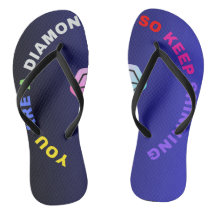
Blogger: E- Commerce Success Guide
**
#builtwith #whoistools #alexa #quantcast #backtalk #whois.com
#talkreviews #statshow #whois #siteworthtraffic #analytics #hqindex





 Tips and Tricks Work and Grow from Anywhere